Buying A Boulder Home For An Outdoor-First Lifestyle
July 9, 2026
July 9, 2026
Dreaming of a home where a hike, bike ride, or trail run feels like part of your normal day, not a weekend production? In Boulder, that lifestyle is very real, but the right fit often comes down to access, logistics, and how your home connects to the outdoors. If you want to buy with an outdoor-first mindset, it helps to look beyond views and focus on how you will actually live. Let’s dive in.
Boulder gives you an unusual mix of preserved land, trail access, and daily mobility options. The City of Boulder says Open Space and Mountain Parks manages more than 46,640 acres of preserved land and about 155 miles of developed, maintained trails. The city also describes more than 300 miles of bikeway across bike lanes, multi-use paths, designated routes, and Neighborhood GreenStreets.
That matters because an outdoor-first lifestyle is not only about owning a home near the foothills. It is also about how easily you can leave your front door, reach a path or trailhead, and get on with your day. In Boulder, walkability, bike connections, and trail logistics can be just as important as lot size or mountain views.
The city also highlights signature amenities like the pedestrian-only Pearl Street Mall and its Gold-level Walk Friendly Community status. For you as a buyer, that creates a compelling mix of recreation and day-to-day convenience. You can prioritize outdoor access without giving up a walkable social center.
If you are buying in Boulder for the lifestyle, think about how you will move through an average Tuesday, not just a sunny Saturday. Some trailheads are reached from public streets, and the city notes there is no sanctioned OSMP parking at access points in some areas. Popular lots can also fill early on weekends.
That means the best home for you may not be the one with the biggest backyard. It may be the one with easier bike access, lower-friction trail connections, or a location that lets you walk to an access point. Small daily advantages can make a big difference over time.
As you compare homes, it helps to ask practical questions such as:
South Boulder is one of the strongest fits if you want direct access to the foothills. Chautauqua stands out as a major outdoor anchor because it provides access to OSMP trails, and many trails are accessible from the surrounding area. The nearby NCAR-Table Mesa Trail also connects NCAR to Table Mesa Road, reinforcing south Boulder’s appeal for buyers who want to get outside without a long setup.
The tradeoff is popularity. The city notes that Chautauqua can become crowded, and parking is limited and paid on summer weekends and holidays. Visitors are often encouraged to carpool, walk, or bike.
For you, that can be either a feature or a frustration depending on your priorities. If you love being close to iconic trail access and do not mind heavier visitor activity near popular entry points, south Boulder may feel like a natural fit. If you want a quieter pattern, you may want to compare it with other parts of town.
Table Mesa adds another layer of convenience for outdoor-minded buyers. Its connection to foothills access supports a lifestyle where a quick outing can fit between work, school pickup, or dinner plans. That kind of rhythm is often what people are really buying when they choose Boulder.
When you tour homes here, pay attention to more than curb appeal. Notice street parking patterns, bike connections, and how easy it feels to leave home and reach the trails. In a neighborhood near high-demand access points, those details shape daily life.
North Boulder offers a different version of the outdoor-first lifestyle. The Wonderland Lake Trailhead at 4201 N. Broadway provides access to Wonderland Lake, the South Foothills Trails, and the Foothills Nature Center. There is SKIP bus service nearby, and parking is relatively limited.
This area can appeal to buyers who want outdoor access built into normal routines. The Wonderland Lake Loop is described by the city as family-friendly and mobility-friendly, and some nearby routes allow bikes. The city also allows Class 1 and Class 2 e-bikes on Wonderland Lake and Foothills South trails.
That combination gives north Boulder a flexible feel. You may be able to enjoy a walk, ride, or nature stop without planning a major outing. If your goal is consistent, low-friction access rather than only big weekend adventures, this area deserves a close look.
As you explore north Boulder, look at how the neighborhood supports movement in different ways. Trail access, nearby transit, and bike options can create a strong day-to-day lifestyle even when parking is limited. In some cases, that may matter more than being directly next to a landmark trailhead.
Not every outdoor-first buyer wants to live beside a trailhead. Some want a home base where outdoor recreation and city convenience meet. Downtown Boulder and the historic core can work well for that balance.
The city describes Pearl Street Mall as a four-block outdoor pedestrian destination, and downtown is promoted for shopping, lodging, restaurants, services, and entertainment. Pearl Street Mall also has RTD access. For buyers who want to bike or walk to dinner after time outside, that kind of setup can be a real advantage.
Downtown also carries historic character. The city identifies it as a designated historic district and local landmark area, which adds to the appeal for buyers who value established streetscapes and a distinct sense of place. If your version of the Boulder lifestyle includes both trail time and an active, walkable core, central Boulder may be a strong match.
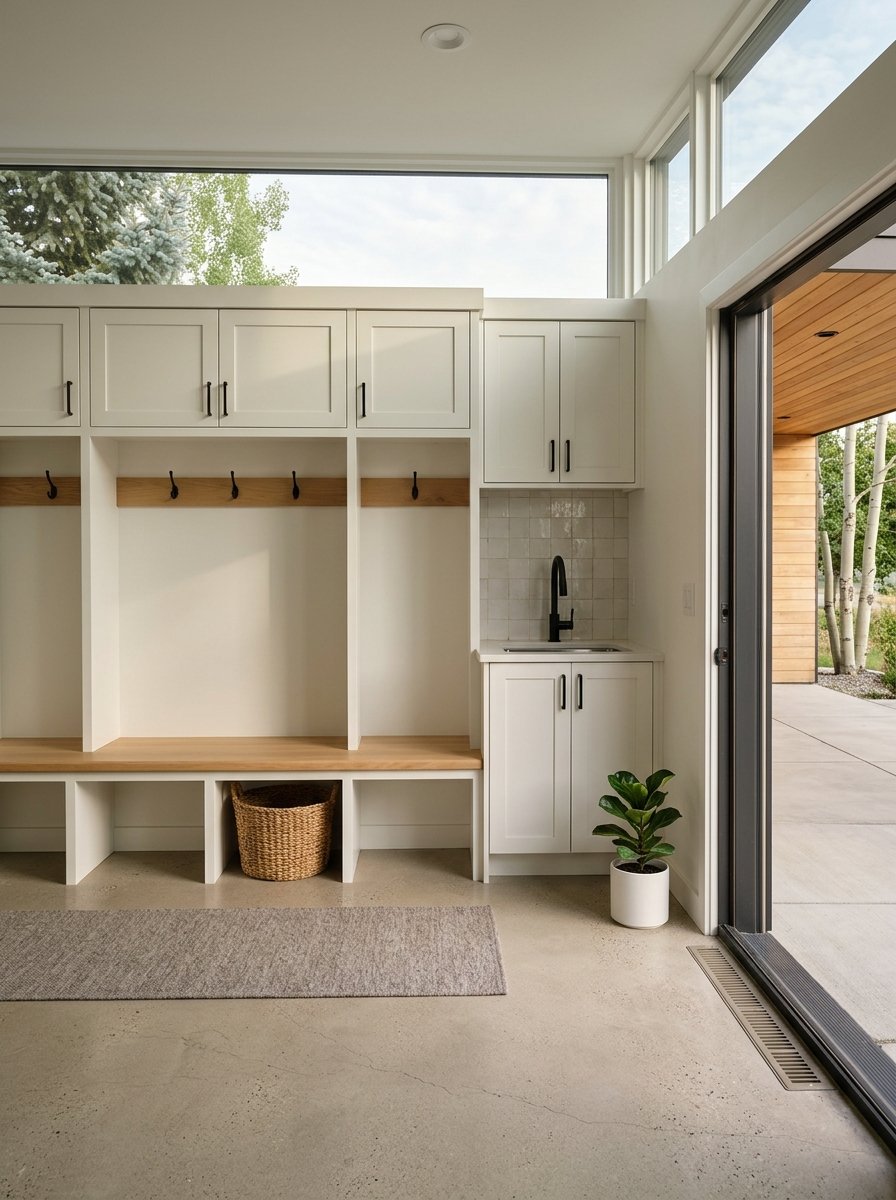
In Boulder, the most useful home features for outdoor-first living are often practical. The city’s housing stock includes older and mid-century forms, with historic resources that include vernacular wood-frame and masonry homes, bungalows, and modern styles. Many late-1940s through 1960s neighborhoods also feature ranch, split-level, and bi-level houses on curving streets and cul-de-sacs.
That variety gives you options, but the right fit often comes down to function. A home that supports your routine can feel better than one that simply photographs well.
Here are features worth watching:
If you are comparing older homes with more character, remember that not all updates are equally simple. In some cases, the appeal of charm should be weighed against what the property may require if you want to change exterior elements later.
Boulder has 10 local historic districts, including Chautauqua, Mapleton Hill, West Pearl, Downtown, Hillside, Highland Lawn, University Place, 16th Street, Floral Park, and Chamberlain. These areas can be appealing if you want an older home with architectural character and established surroundings.
At the same time, the city says all exterior changes to a designated landmark or a property in a historic district require Landmark Alteration Certificate review. Historic districts can also include more than buildings alone. The city notes they may include parks, building sites, and streetscape elements such as tree canopy.
That does not mean you should avoid these areas. It simply means you should buy with eyes open if your outdoor-first vision includes exterior storage solutions, visible improvements, or other changes to how the home functions.
Before making an offer, one of the most useful tools is the city’s Property Information map. The city says it can display zoning, flood, wetland, historic-preservation, wildland fire interface, and other parcel-level information. In Boulder, that kind of parcel-specific review can be especially important.
The city also notes that the Wildland Urban Interface Code applies to properties in the WUI area, with the current code and local amendments adopted in 2024 and applied to building permits beginning August 1, 2025. If a property is in the WUI area, that is worth understanding early in your decision process.
Trail logistics should also be part of your diligence. The city warns that parking can be limited or managed at popular trailheads, some areas rely on neighborhood street parking rather than sanctioned OSMP lots, and certain trailheads such as South Mesa use fees and fill quickly on weekends. If you are buying near a high-use access point, those patterns can affect convenience and neighborhood traffic.
The best Boulder home for an outdoor-first lifestyle is rarely about one feature alone. It is usually about the match between your habits and the neighborhood pattern around you. A trail runner, a cyclist, and a buyer who wants dinner on Pearl Street after a walk may all define “best” very differently.
As you narrow your search, focus on how you want your week to feel. Do you want direct foothills access, easy loops for daily movement, or a walkable core with strong bike connections? Once you know that answer, the right part of Boulder becomes much easier to identify.
If you want help matching Boulder neighborhoods to the way you actually live, Zaida Nunez - Montagne Properties LLC offers thoughtful, lifestyle-focused buyer guidance built around how you want to experience Colorado every day.
At Montagne Properties, our mission is simple: to help you find the perfect place to call home in Colorado. We approach every client with a deep understanding of what makes Colorado unique, and we use our expertise to guide you through the real estate journey with confidence and ease.