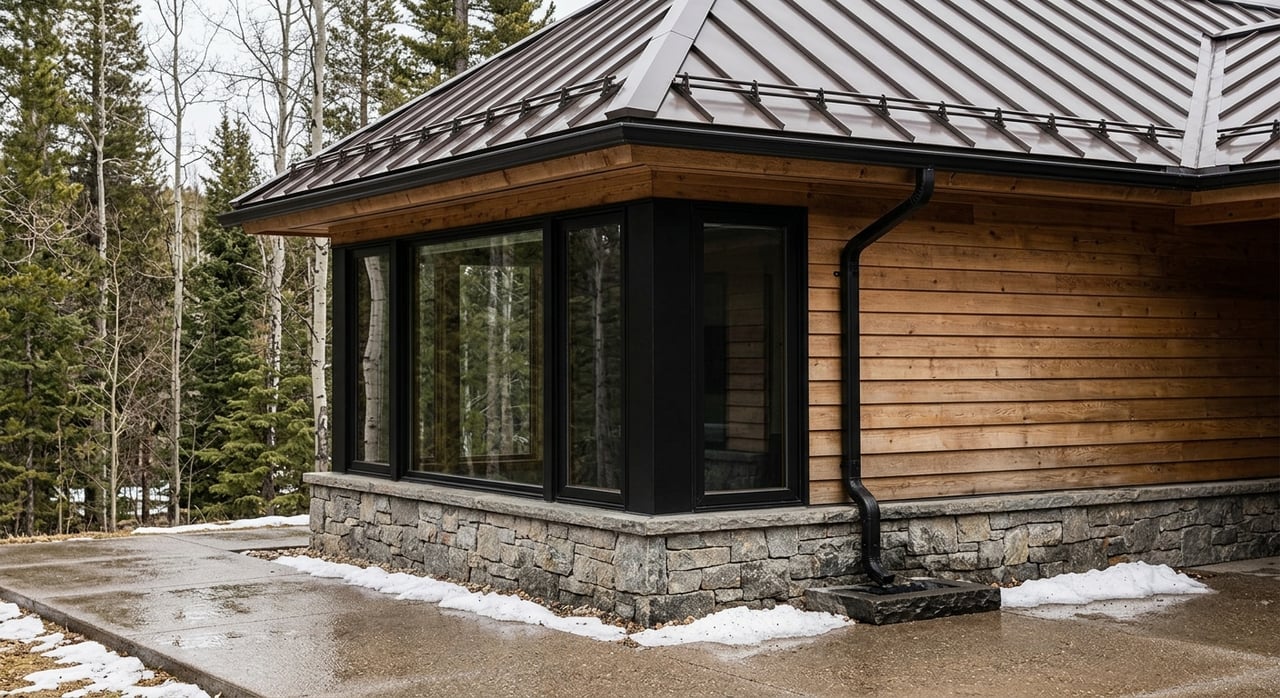
Year Round Living in Vail CO: A Seasonal Home Guide
April 2, 2026
April 2, 2026
If you picture Vail as a winter-only destination, you are only seeing part of the story. Owning a home here means living with deep snow, cool summer mornings, busy event weekends, and shoulder seasons that still demand attention. If you are thinking about buying in Vail, understanding how the town changes through the year can help you choose the right home and prepare for ownership with confidence. Let’s dive in.
Vail sits at 8,304 feet, and that elevation shapes daily life in every season. According to NOAA climate normals for Vail, the annual mean temperature is 37.9°F, with annual snowfall reaching 189.2 inches.
That wide seasonal swing is part of what makes Vail so appealing, but it also affects how you plan, maintain, and enjoy your home. Vail Fire notes that the town has 4,735 year-round residents and serves about 20,000 guests daily, which helps explain why ownership can feel more seasonal and visitor-driven than in many other Colorado mountain communities.
Winter is the most structured season in Vail. Ski days, snow removal, parking rules, and transit schedules all shape your routine in a very real way.
Vail Mountain winter operations list daily hours from 8:30 a.m. to 4:00 p.m., and the Town of Vail says its bus service is free year-round. The winter transit schedule runs from December through mid-April, which can make a car-light lifestyle possible if you are comfortable planning around snow, peak-day traffic, and seasonal demand.
January averages 17.5°F with 35.3 inches of snow, based on NOAA monthly normals. That means winter ownership is not just about enjoying mountain views. It is also about staying ahead of cold-weather systems that can affect access, comfort, and home performance.
For many owners, winter prep starts before the first major storm. Ready.gov winter weather guidance recommends protecting against frozen pipes, checking insulation and weatherstripping, confirming smoke and carbon monoxide alarms are working, and keeping emergency supplies at home.
A practical winter checklist often includes:
Spring in Vail is not an instant move into warm weather. It is a true shoulder season, and that matters if you own property here.
April averages 36.6°F with 21.2 inches of snow, and May still averages 45.7°F with 4.8 inches of snow, according to NOAA data. That means melt, runoff, and freeze-thaw cycles can continue well after ski season begins to wind down.
This is often the time to check the home after winter stress. Roofs, gutters, drainage, and exterior surfaces may need attention before summer activity ramps up.
The town rhythm reflects that transition too. Winter parking ends in April, spring bus service runs from April 21 to May 25, and expanded summer bus service starts May 26. Even local trail patterns show that late spring is still a transition period. In the Vail hiking guide, the North Trail is closed from April 15 to June 15 for elk calving season and soil protection from runoff.
Summer brings a different kind of energy. The snow recedes, trails open up, and the town becomes active in ways that surprise buyers who only know Vail as a ski destination.
July and August average 59.2°F and 57.4°F, with no normal snowfall in those months, based on NOAA normals. On the latest summer operations page, Vail Mountain ran daily through Labor Day and then Fridays through Sundays in September, while some Epic Pass holders could receive free scenic lift access depending on pass type.
The free Town of Vail bus system can also connect you to many trailheads, which supports an easy outdoor routine during the warmer months. But ownership in summer is not necessarily quiet.
Official event dates listed by Discover Vail and related sources show a packed calendar, including:
For homeowners, this means summer often feels like a long festival season. That can be exciting, but it also changes traffic, activity levels, and everyday pace.
Summer is also when exterior upkeep becomes more important. Vail Fire guidance says a significant wildfire threat can exist from late spring through fall.
The department recommends ignition-resistant features such as a Class A roof and routine clearing of gutters, decks, and nearby debris. Fire restrictions in nearby White River National Forest can also change based on conditions, so outdoor fire use should never be assumed.
Fall is one of Vail’s most beautiful seasons, but it is also short and practical. Temperatures drop quickly, and winter starts to reappear sooner than many buyers expect.
September averages 50.3°F, October averages 39.7°F, and November averages 26.4°F, according to NOAA monthly climate data. Snowfall also returns, with 0.9 inches in September, 8.6 inches in October, and 25.9 inches in November.
The town still stays active during early fall. The farmers market continues through early October, Vail Jazz is scheduled for early September, and Vail Oktoberfest spans two September weekends.
For homeowners, fall is the time to prepare the property for the next cold cycle. That can include clearing gutters, checking exterior areas, and winterizing irrigation before freezing weather arrives. Colorado State University Extension advises winterizing sprinkler systems before freeze conditions.
If you are considering a home in Vail, it helps to think beyond the purchase itself and picture what ownership looks like month by month. The right fit is often a home that supports how you actually plan to use it across the full year.
Here is a simple way to think about the rhythm of ownership:
| Season | What to Expect | Key Owner Focus |
|---|---|---|
| Winter | Cold temperatures, heavy snow, ski season routines | Heat, snow removal, pipe protection, transit and parking planning |
| Spring | Ongoing melt, runoff, freeze-thaw cycles | Roof checks, drainage review, gutter cleaning, exterior maintenance |
| Summer | Warm weather, trails, events, higher activity | Debris clearing, wildfire awareness, enjoying transit and trail access |
| Fall | Quick cooldown, early snowfall return | Gutter cleaning, irrigation winterization, winter prep |
Year-round ownership in Vail can be a great match if you want to enjoy the home across multiple seasons and you are comfortable with the realities of mountain living. That includes weather-related upkeep, transit and parking structure, and summer-to-fall wildfire awareness.
If you are only imagining a few ski weeks each year, the seasonal shifts may feel more pronounced than expected. On the other hand, if you value both winter recreation and summer mountain living, Vail offers a broader ownership experience than many buyers first assume.
When you are evaluating a mountain home, the details matter. A thoughtful buying strategy starts with how you want to live in the property, not just when you want to visit. If you are exploring Colorado mountain lifestyle opportunities and want a trusted guide who understands how homes and lifestyle need to align, connect with Zaida Nunez - Montagne Properties LLC.


At Montagne Properties, our mission is simple: to help you find the perfect place to call home in Colorado. We approach every client with a deep understanding of what makes Colorado unique, and we use our expertise to guide you through the real estate journey with confidence and ease.