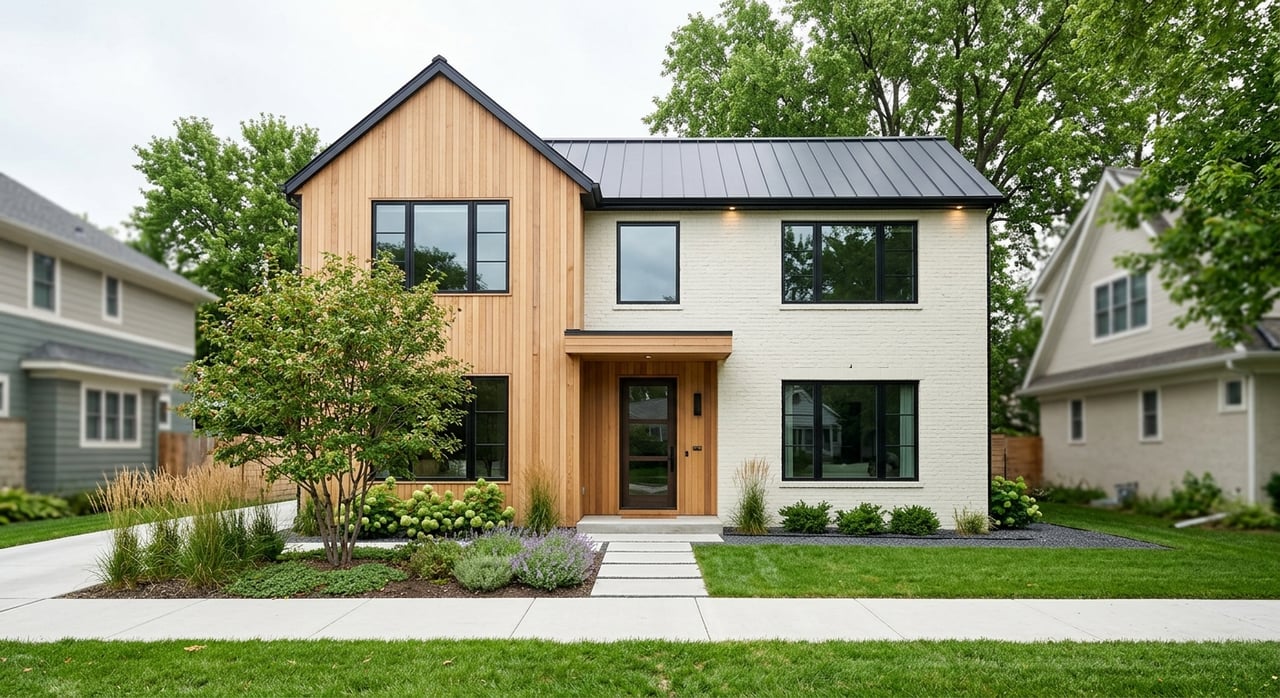
Boulder Mountain vs Downtown Living: How to Decide
April 23, 2026
April 23, 2026
Choosing between Boulder mountain living and an in-town neighborhood is really a choice about how you want your everyday life to feel. You may picture morning trail access and big foothill views, or you may want coffee, errands, and downtown Boulder within a short walk or bike ride. The right fit depends less on a simple price label and more on your routine, priorities, and comfort with the tradeoffs. If you are weighing both sides of Boulder, this guide will help you compare what matters most. Let’s dive in.
Boulder offers a rare mix of urban convenience and immediate access to nature. The city manages more than 45,000 acres of Open Space and Mountain Parks and about 155 miles of trails, while Pearl Street Mall and Boulder’s walkable core support a lower-car lifestyle.
That creates a very real fork in the road for buyers. In-town neighborhoods often give you better walkability, easier transit, and simpler daily logistics. Foothill and mountain-adjacent areas often offer more privacy, larger views, and quicker access to open space.
If you want a more connected daily routine, in-town Boulder is often the easiest fit. Living closer to downtown, Boulder Junction, CU, or central neighborhoods can make errands, dining, biking, and transit much more convenient.
The city describes Boulder Junction as a mixed-use, pedestrian-oriented district with an RTD station plus EcoPass, BCycle, and CarShare benefits. The Boulder Junction transportation program also highlights how this area was planned around mobility choices, not just driving.
Transit is another big plus in the urban core. The HOP bus connects CU Boulder, University Hill, downtown, and 29th Street Mall with 15-minute peak service, which can make commuting or student life more manageable.
For many buyers, this side of Boulder means less friction in everyday life. You may trade away immediate trail-edge living, but you often gain time and flexibility during the workweek.
In-town Boulder may make the most sense if you want:
Foothill and mountain-adjacent living appeals to buyers who want a quieter setting and stronger connection to open space. In these areas, the lifestyle often centers on views, privacy, larger lots, and a more residential, retreat-like atmosphere.
This is where Boulder can feel dramatically different from block to block. Homes near the foothills may offer decks, custom design, historic cottage character, or a setting that feels removed from the urban core, even when town is still within reach.
The tradeoff is convenience. You will usually rely more on your car, and your commute may depend as much on weather and road conditions as it does on distance.
Mountain or foothill living may be a better fit if you prioritize:
One of the biggest mistakes buyers make is focusing only on drive time. In Boulder, your real experience may depend more on route type, weather, and road maintenance than on a map estimate.
In the urban core, access tends to be more predictable. Areas with stronger transit and walkability can reduce how often you need to drive at all, especially near downtown and Boulder Junction.
In foothill or mountain-edge areas, road conditions deserve closer attention. According to Boulder County road and winter access guidance, some local-secondary roads may be seasonal, and mountain roads or subdivisions are often plowed after higher-priority routes once storms stop.
That does not mean mountain-edge living is less desirable. It means you should evaluate the specifics of your route, road grade, and how much flexibility you need during snow season.
For buyers with school-aged children, location can shape the practical side of the week. Boulder Valley School District says new students are guaranteed a seat in their neighborhood attendance-area school, and school placement is based on address.
If a student attends a non-neighborhood school, transportation may become the family’s responsibility. BVSD also encourages walking, biking, RTD bus use, and carpooling, which can be easier to coordinate in more central locations with connected street networks and transit access.
This does not make one area better than another. It simply means your home search should reflect how much convenience you want built into the school-day routine.
Boulder pricing and housing stock vary sharply by neighborhood, so it is important not to oversimplify the decision. The broader market had a median sale price of about $819K in March 2026, but neighborhood medians and home styles can look very different depending on where you focus.
Current market data from Boulder housing market reports and neighborhood profiles shows a wide range, from around $528K near Colorado University to about $1.211M in Downtown Boulder, $1.23M in Table Mesa South, $1.6M in Pine Brook Hill, $1.8M in Lower Chautauqua, and above $2.2M in areas such as Mapleton Hill and Wonderland Hills.
The takeaway is simple. Boulder values are driven heavily by micro-location, property type, and setting, not just by whether a home is “in town” or “in the mountains.”
In-town neighborhoods tend to offer a denser mix of housing options. Neighborhood descriptions for Boulder note that University Hill includes modern apartments and historic homes, Goss-Grove mixes Victorian-era homes with modern townhouses, Whittier includes single-family homes, apartments, and townhomes, and Table Mesa South is primarily residential with mostly single-family homes.
This variety can be helpful if you want flexibility in price point, maintenance level, or home style. It can also make it easier to compare condos, townhomes, and detached homes within a tighter geographic area.
Foothill-adjacent areas often lean toward homes with stronger setting-driven appeal. In places like Pine Brook Hills and Chautauqua, listings often emphasize custom construction, historic cottages or Craftsman-style homes, decks, mountain views, and larger lots.
For some buyers, that character is the whole point. You may be buying not just square footage, but also a more private setting and a stronger sense of separation from the urban core.
A mountain-edge home can be incredibly rewarding, but it often comes with more upkeep. Larger lots, weather exposure, and access considerations can all require more planning than a typical in-town property.
Wildfire readiness is also part of the picture in western Boulder neighborhoods. The city notes that neighborhoods in the wildland urban interface face higher wildfire risk, and Boulder offers wildfire-ready resources and WRAP funding for home hardening and vegetation management.
The city has also launched perimeter mowing in areas including Dakota Ridge, Wonderland Lake, Chautauqua, and Devil’s Thumb/Shanahan Ridge as part of wildfire-risk reduction. If you are considering a foothill property, it is smart to think about resilience work as part of ownership, not as an afterthought.
If you are torn, try this exercise: picture a normal Tuesday, not a perfect Saturday. Your best Boulder fit usually becomes clearer when you focus on the rhythm of everyday life.
Choose in-town Boulder if you want a lower-friction routine built around walkability, transit access, and easier connections to downtown, CU, and daily errands. Choose mountain or foothill living if you want privacy, views, immediate open-space access, and you are comfortable with more driving, maintenance, and weather-related variability.
For many buyers, the answer is not about which option is objectively better. It is about whether your ideal week feels more like a walkable city routine or a trailhead-first mountain routine.
If you want help narrowing down the right Boulder lifestyle match, Zaida Nunez - Montagne Properties LLC offers thoughtful, local guidance designed around how you want to live, not just what you want to buy.


At Montagne Properties, our mission is simple: to help you find the perfect place to call home in Colorado. We approach every client with a deep understanding of what makes Colorado unique, and we use our expertise to guide you through the real estate journey with confidence and ease.